South Korea
Almost everything is card, and side dishes keep coming.
Most asked
Are the side dishes free, and can you ask for more?
Banchan is part of the setting, not a course you ordered, and asking for a top-up is normal. Anything you leave cannot legally be reused — which is why portions start small.
Read the answerAt a glance
- Tipping
- Not expected
- Cards
- Accepted almost everywhere
- Tap water
- Safe, but most drink bottled
- Haggling
- Traditional markets only
Arriving
The first hour — getting out of the airport and into Seoul.

How do you get from the airport into the city?
Train, bus or taxi. The airport railroad runs from both terminals into central Seoul and is the cheapest of the three.

Incheon or Gimpo — does it matter which one you land at?
Gimpo is far closer to Seoul, but almost every long-haul flight uses Incheon, so you rarely get to choose.
Where can I leave my luggage for the day?
Lockers sit in most subway stations and bus terminals. The newer ones take a card; the older ones only take cash.
Can I take a large suitcase on the train?
There is no size to measure against. Korail states a condition instead: no more than two pieces, you must be able to carry them unaided, and they may not occupy a seat or block the aisle. Nothing is reserved and nothing is declared — which is the opposite of what both neighbours ask for.
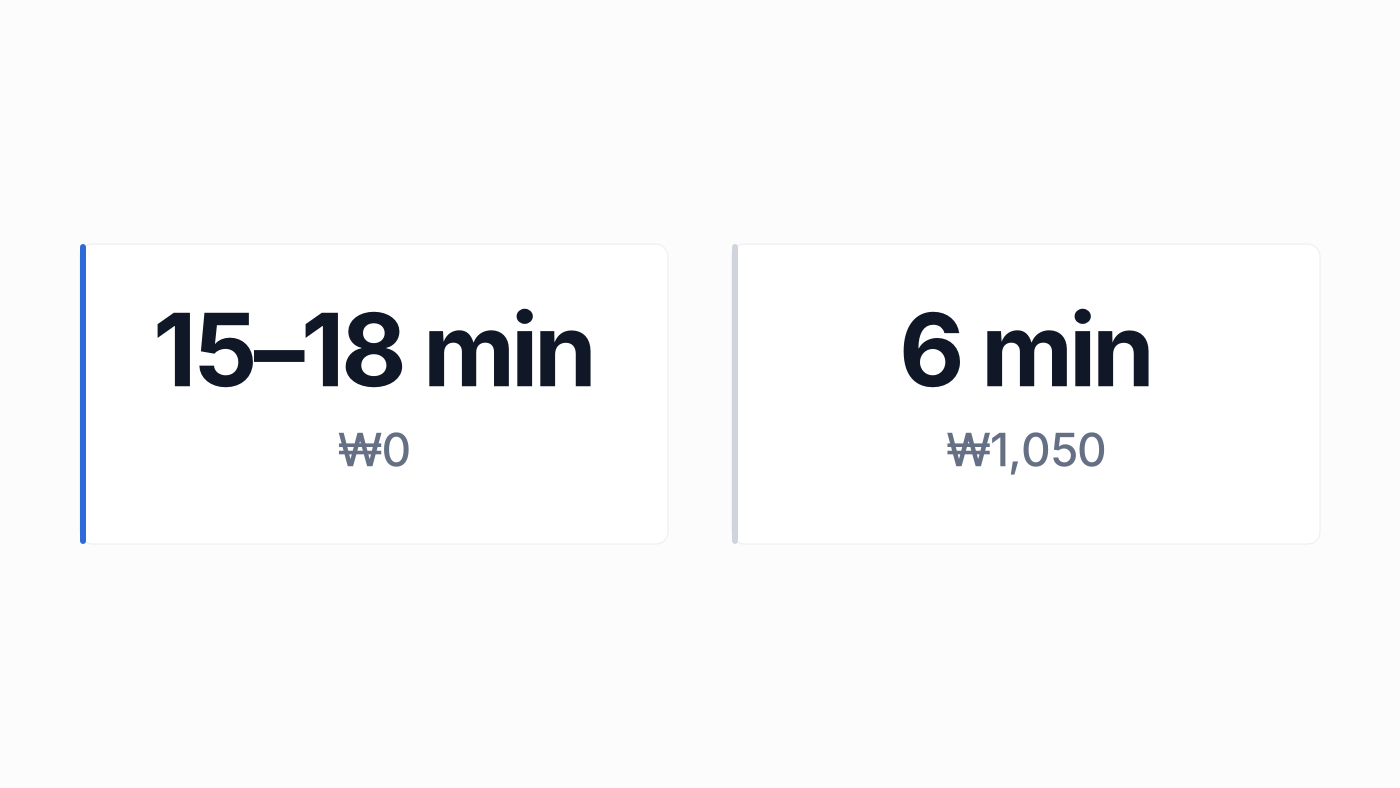
How do I get between Incheon's two terminals?
A free shuttle leaves the third floor of either terminal every ten minutes and takes 15 minutes one way, 18 the other. The airport railway covers the same gap in 6 minutes for 1,050 won. The shuttle stops at 23:00, so a late arrival has only the paid option.
Getting around
One card for everything, and why tapping out matters more than you would think.

Do I need a ticket for every subway ride?
No. One rechargeable transit card covers subway, buses and taxis, and any convenience store sells and tops one up.

How do you get a taxi in South Korea?
Apps do most of the work. Street hailing works, but a driver may pass on a destination they do not fancy.
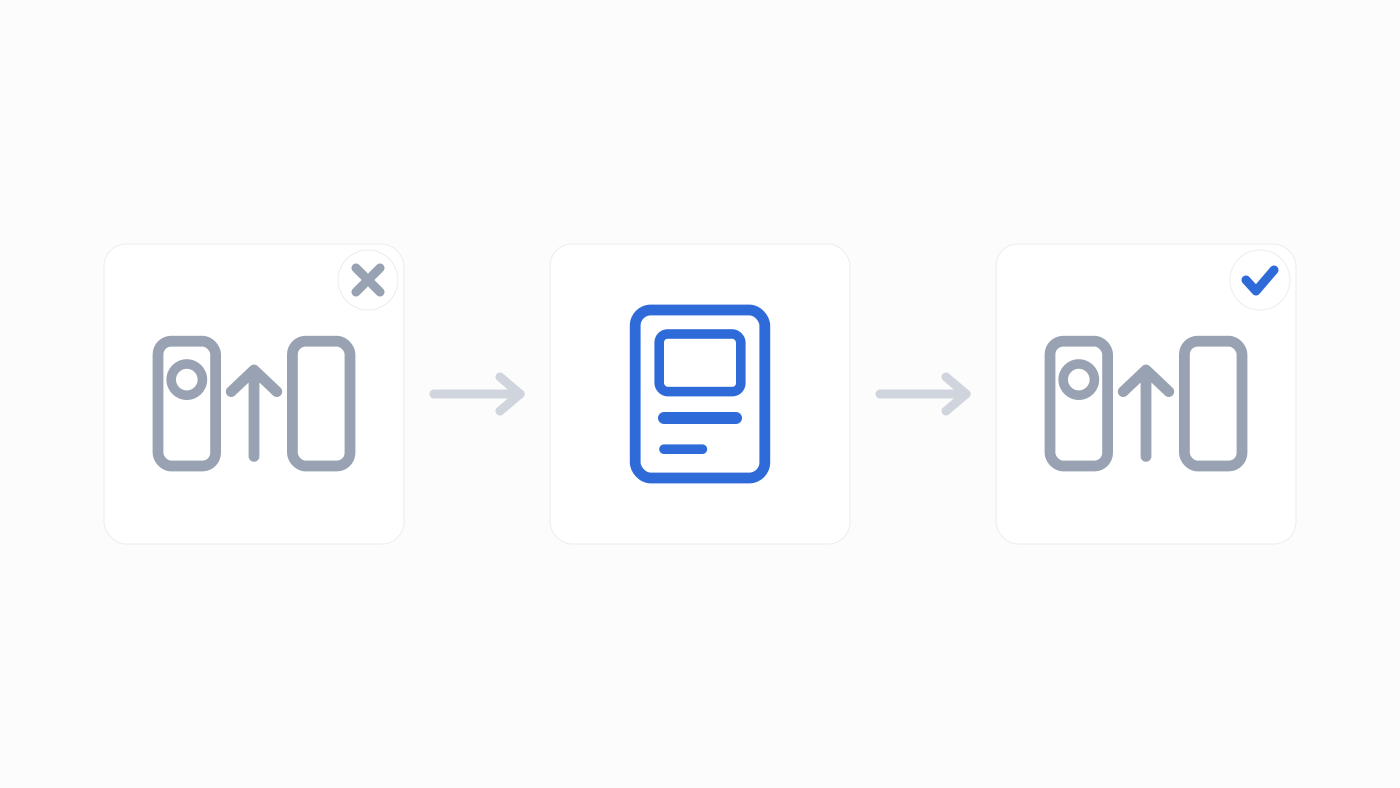
What do I do if the ticket gate won't open?
Top up at a fare adjustment machine near the turnstiles. It handles both a T-money card and a single journey ticket.
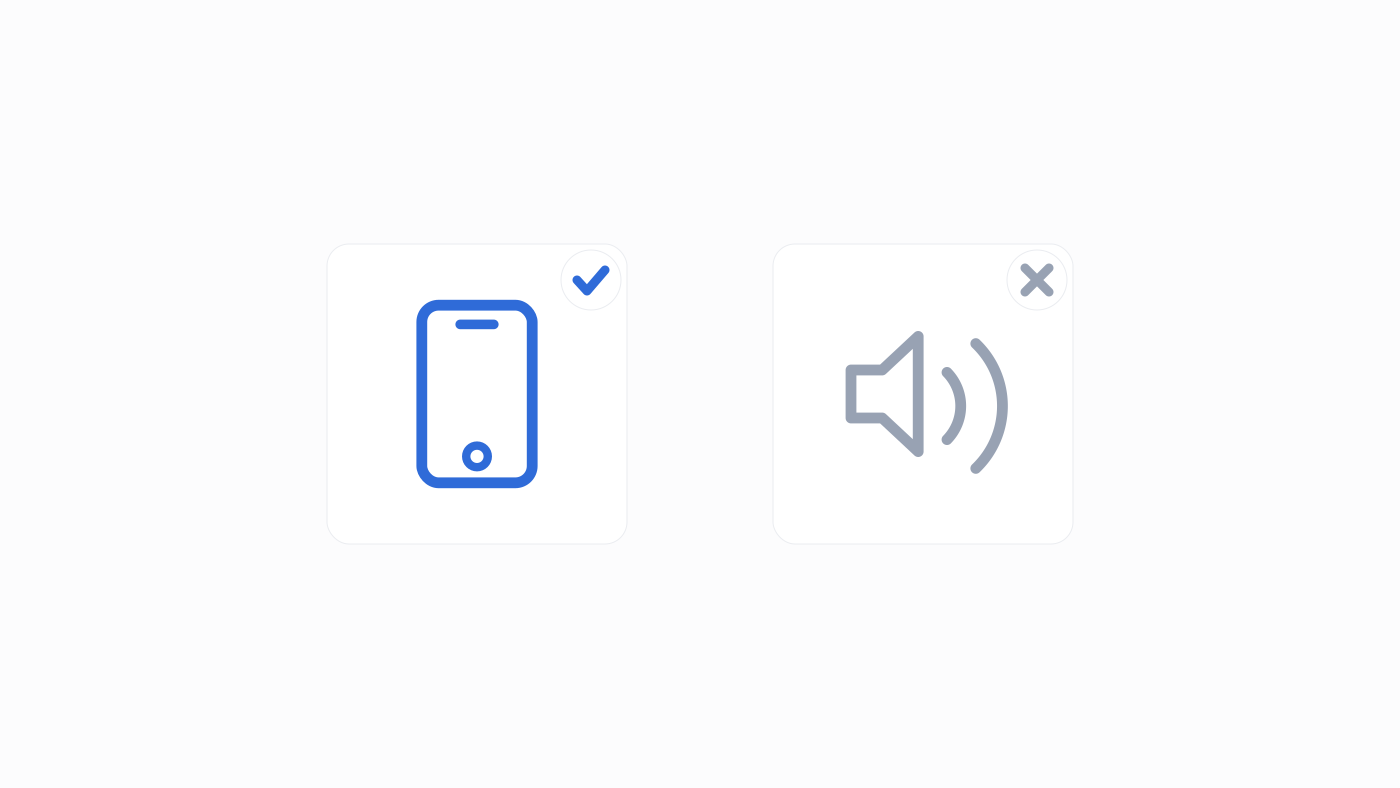
Can I take a phone call on the subway?
Yes, quietly. The operator's own etiquette list asks for vibrate mode and a lowered voice, not for silence.
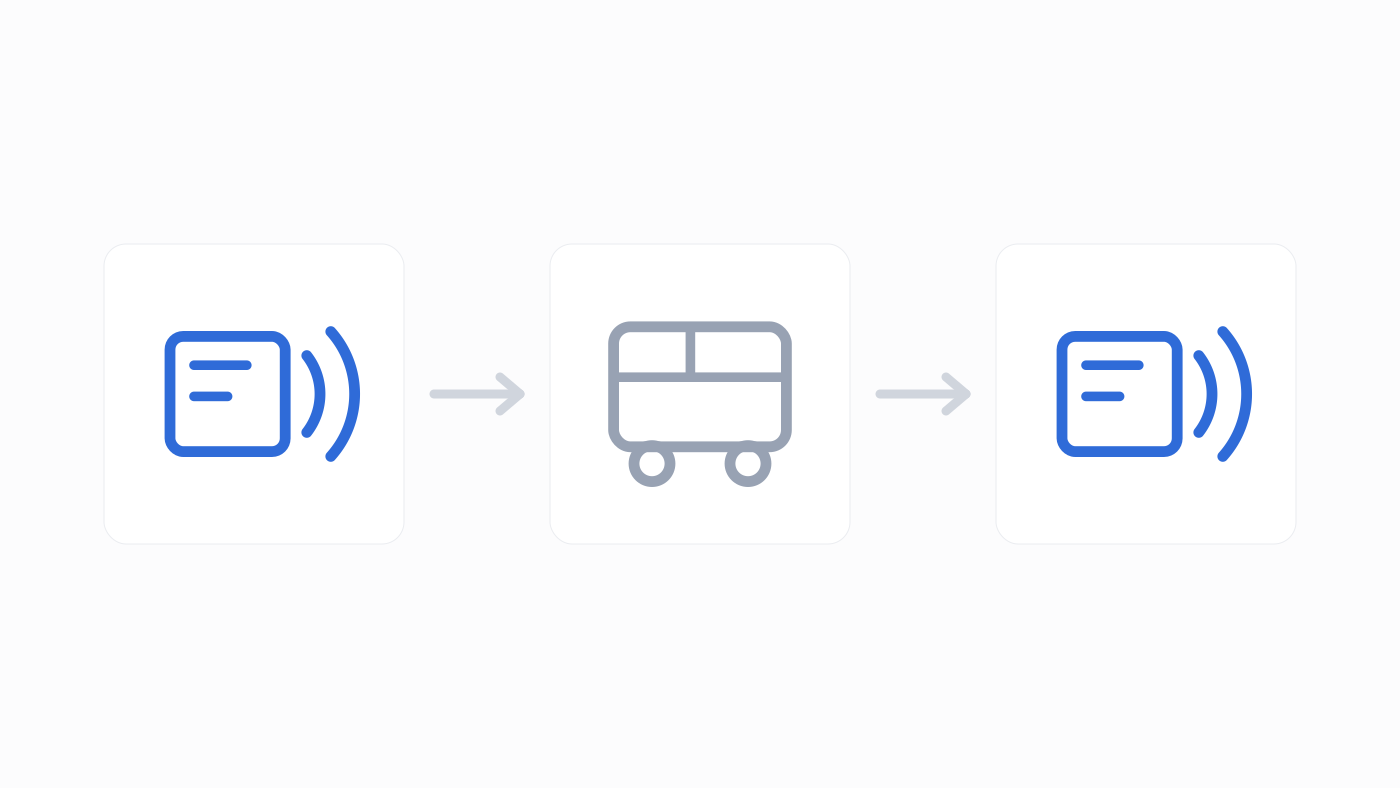
Why do I have to tap my card again when getting off the bus?
Because the transfer discount depends on it. Miss the tap on the way out and every leg of the trip is billed as its own fare.

Why does everyone give directions by exit number?
Because every subway exit is numbered, and "Exit 2" pins down a street corner better than an address does. Learn to read it and the city opens up.
Which map app should I use here?
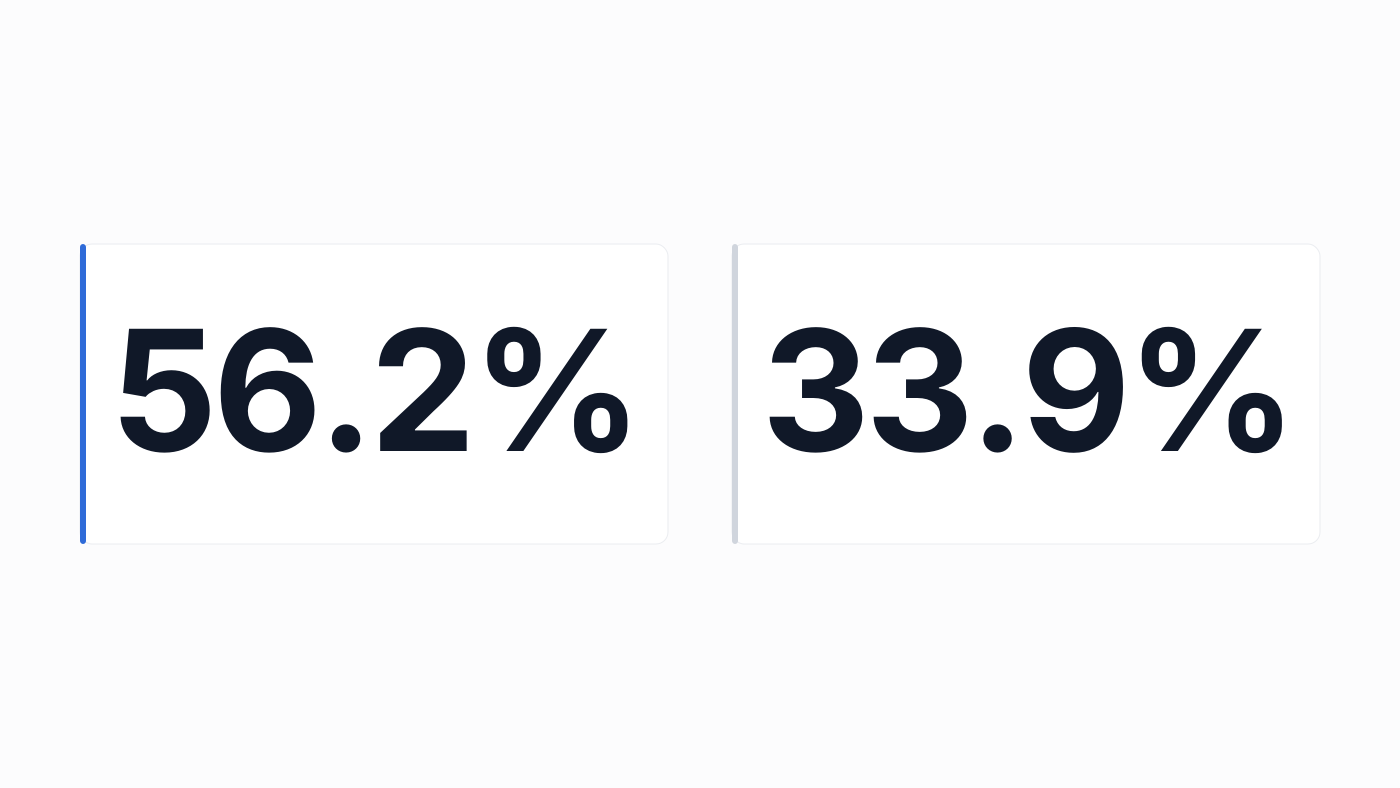
A Korean one — Naver Map or Kakao Map. In a government survey, visitors who switched said the local apps are simply more accurate here, and the ones relying on buses and walking routes switched almost universally.
Money
How locals actually pay, and the few places that still want notes.

Do you need cash in South Korea?
Rarely. Cards and phone payments work almost everywhere, including buses and street stalls.
Can you get a tax refund on shopping, and how?
Yes. Foreign visitors can reclaim value-added tax on purchases — either taken off at the till or claimed at the airport.

Can you haggle over prices?
Only in traditional markets, and only gently. Everywhere else the price is fixed and asking reads as odd.

Where can I get cash with a foreign card?
Look for the word "Global" on the machine. Those take foreign cards, and many but not all of them run around the clock.
At restaurants
What arrives unasked, what costs extra, and how the bill works.

Do you tip in South Korea?
No. Tipping is not a Korean custom and staff do not expect it. Where a charge exists, it is printed on the bill as a service charge.

Can I eat vegetarian or vegan here?
Yes, with care. The tourism board publishes guidance for it, but anchovy and beef stock turn up in dishes that read as vegetable.

Are the side dishes free, and can you ask for more?
Banchan is part of the setting, not a course you ordered, and asking for a top-up is normal. Anything you leave cannot legally be reused — which is why portions start small.

Do I eat rice with the spoon or the chopsticks?
The spoon. It is the one thing Seoul's etiquette guide says outright about which tool does what. Two rules come with it — do not leave either utensil standing upright in the rice, and do not start before the eldest person at the table has. Fingers stay off the food, with one exception worth knowing.
Phone and internet
Getting online is trivial here. Proving who you are is the harder part.
Everyday basics
The small logistics that decide whether a day out goes smoothly.
Can you drink the tap water in South Korea?
Yes — it is safe and heavily tested. Almost nobody drinks it straight anyway, out of habit rather than doubt.

Are public toilets free, and where do I find one?
Free and easy to find. Every subway station has one, and cafés and department stores are relaxed about it.
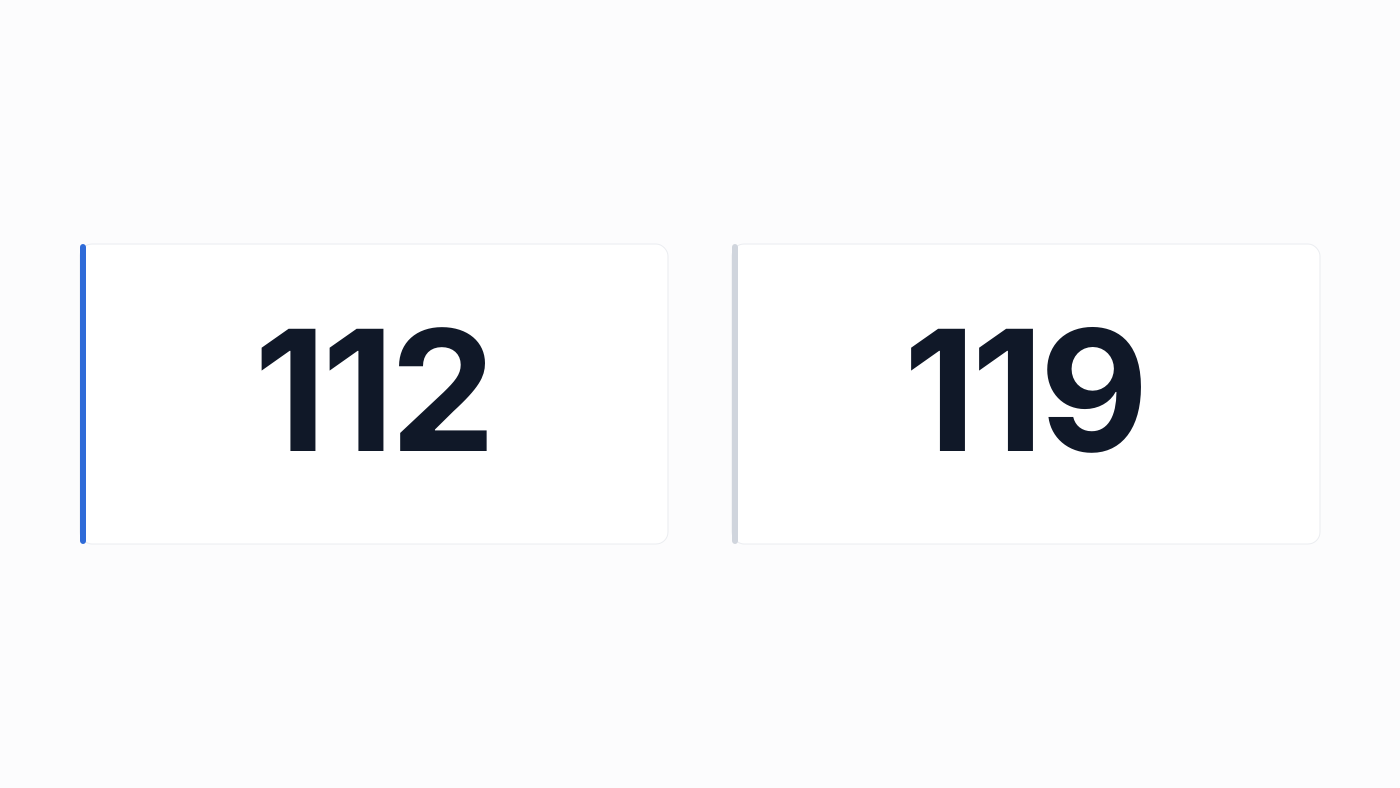
What number do I call in an emergency?
112 for police, 119 for fire or ambulance. 110 is not an emergency number here — it is for ordinary public-service enquiries.

Do I need a plug adapter here?
Yes, unless you already carry a European one. Korea runs 220V at 60Hz on round two-pin sockets.
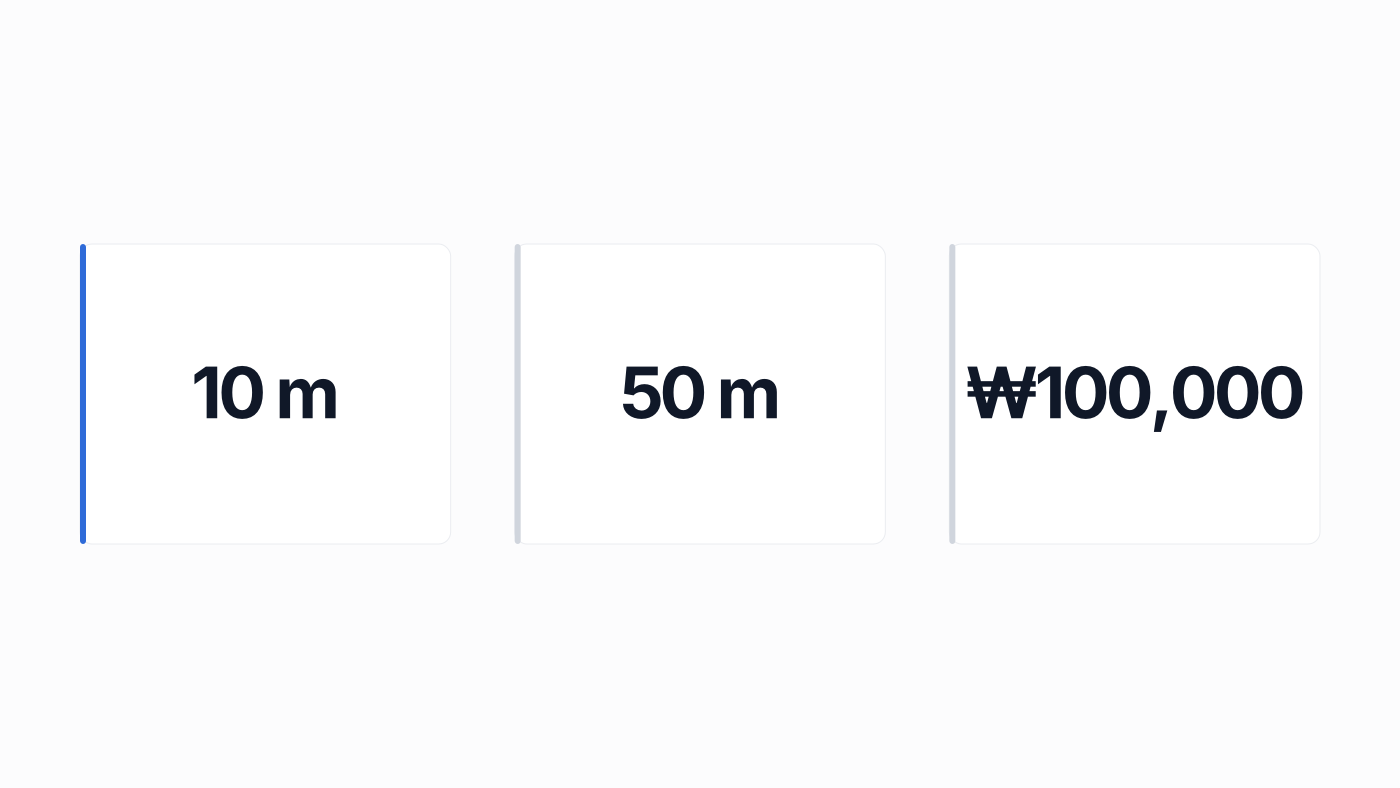
Where can I smoke, and where can't I?
Every restaurant, bar and café is no-smoking regardless of size, and a lot of outdoor space is too. Fines run to 100,000 won.
How other countries compare
For a trip that crosses borders — the same question, answered country by country.
- Where can I leave my luggage for the day?
- Do I need a ticket for every subway ride?
- Can you get a tax refund on shopping, and how?
- Do you need cash in South Korea?
- Do you tip in South Korea?
- Can I use my own phone in South Korea?
- Where can I smoke, and where can't I?
- How do you get from the airport into the city?
- Incheon or Gimpo — does it matter which one you land at?
- Can I take a large suitcase on the train?
- How do you get a taxi in South Korea?
- What do I do if the ticket gate won't open?
- Can I take a phone call on the subway?
- Where can I get cash with a foreign card?
- Can you haggle over prices?
- Can I eat vegetarian or vegan here?
- Can you drink the tap water in South Korea?
- Are public toilets free, and where do I find one?
- What number do I call in an emergency?
- Do I need a plug adapter here?