Japan
 Japan
JapanEveryday basics
The small logistics that decide whether a day out goes smoothly.

Can you drink the tap water in Japan?
Yes, anywhere in the country — including from the drinking fountains in stations and parks.

Are public toilets free, and where do I find one?
Free, everywhere, and clean. Stations, parks, convenience stores and department stores all have one.
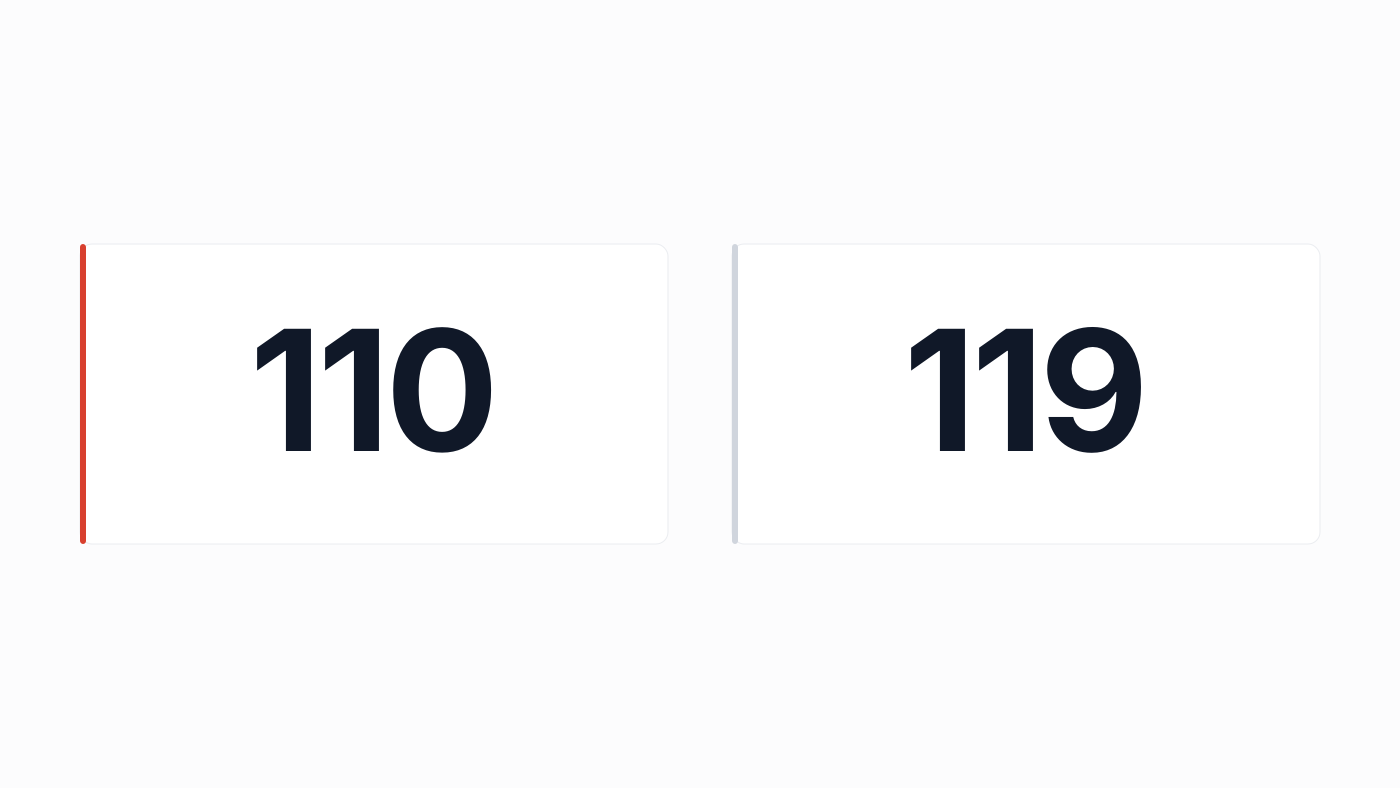
What number do I call in an emergency?
110 for police, 119 for fire or ambulance. Both are free and work from any phone.
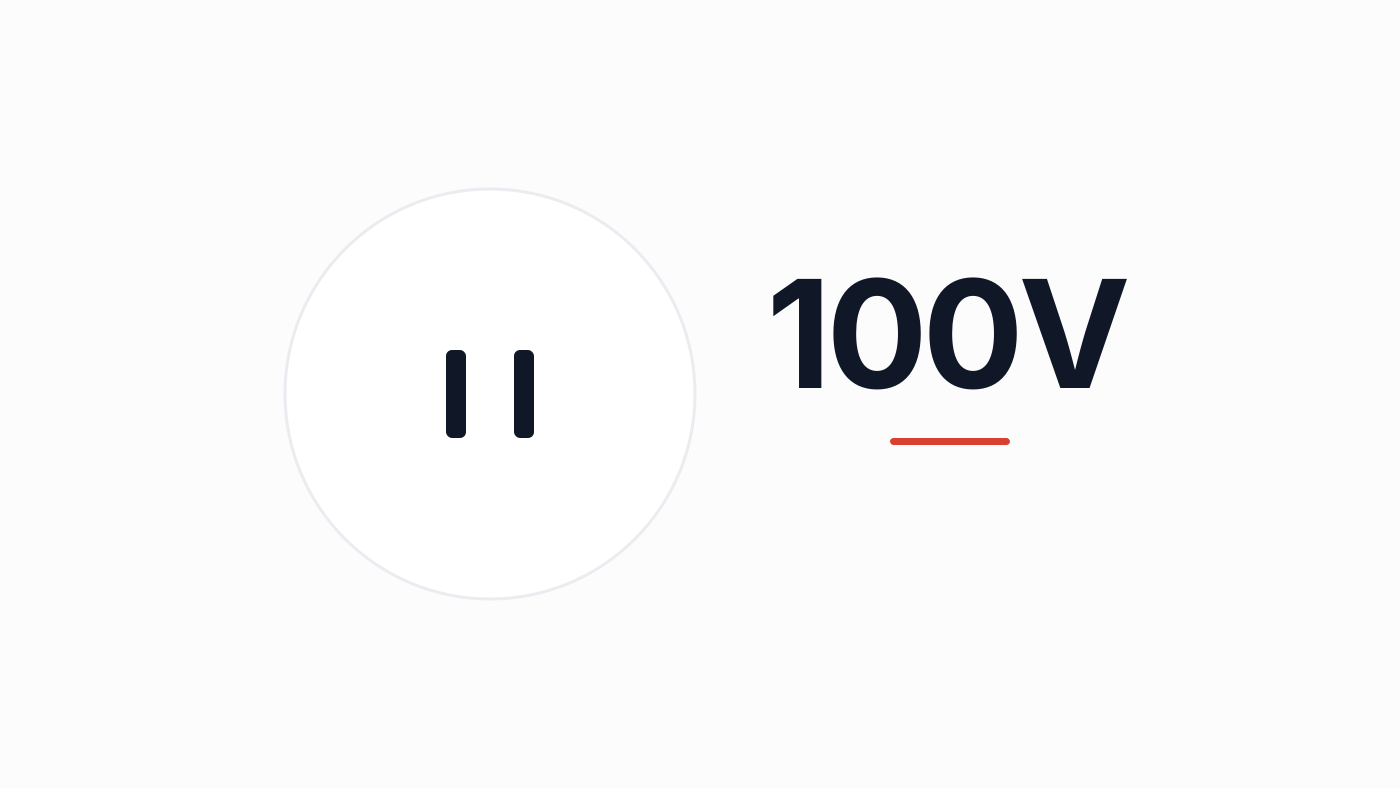
Do I need a plug adapter, and will my charger work?
Japan runs on 100 volts — the lowest mains voltage anywhere. Most chargers cope; anything with a heating element or a motor often does not.

Where can I smoke, and where can't I?
It is the reverse of what most visitors expect: indoors is generally banned, and so is smoking while walking outdoors. You look for a designated area.

Where do I throw my trash?
Almost nowhere on the street. The tourism board’s own advice is to carry it and take it home when there is no bin — stations and convenience stores are the exceptions, and there you sort it four ways rather than dropping it in one hole.

Can I use an onsen if I have tattoos?
Often not, and it is the venue's call: many pools, baths, hot springs and gyms refuse tattooed guests, while some accept them covered.
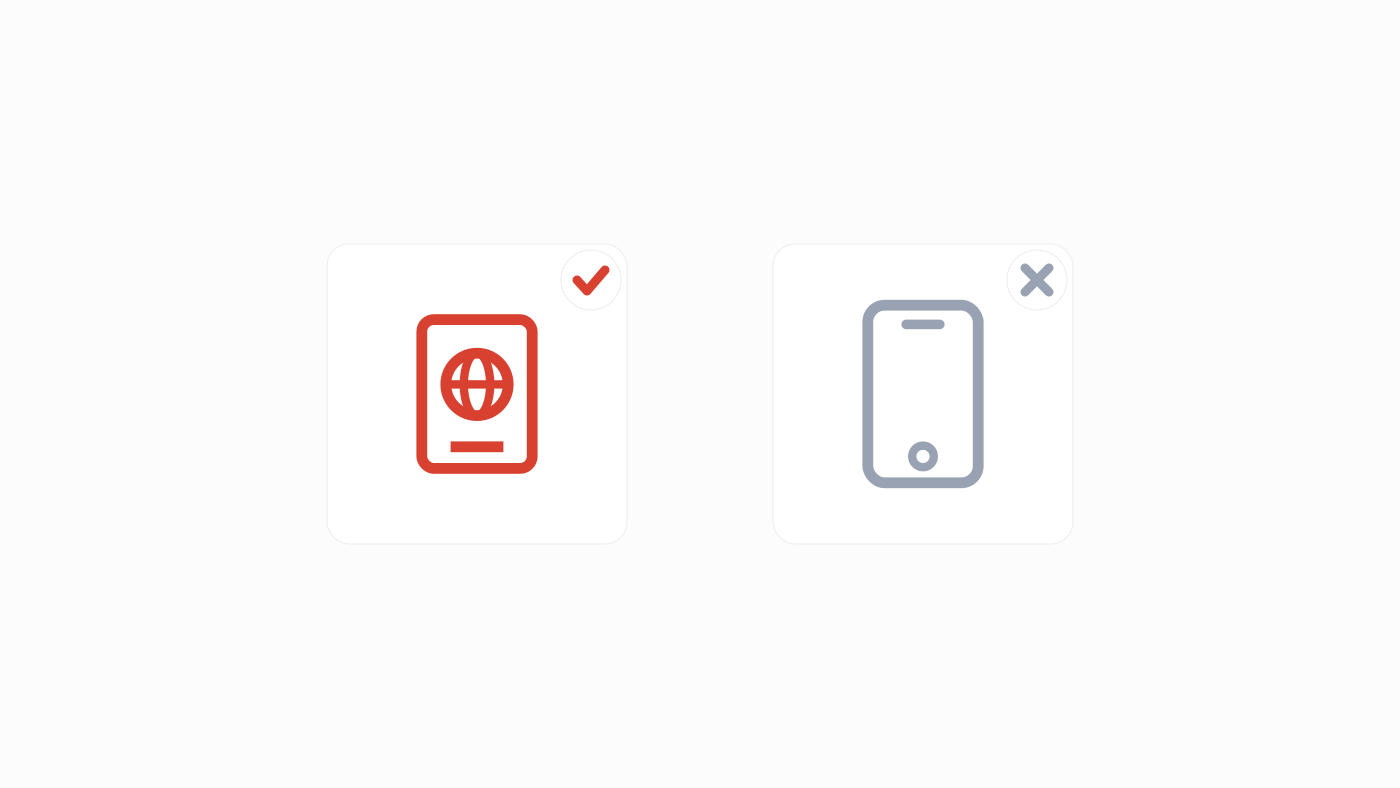
Do I have to carry my passport around?
Yes — visitors are expected to carry the passport itself at all times as identification. A photo of it is not the document.