Do I have to empty my glass when someone says ganbei?
Short answer
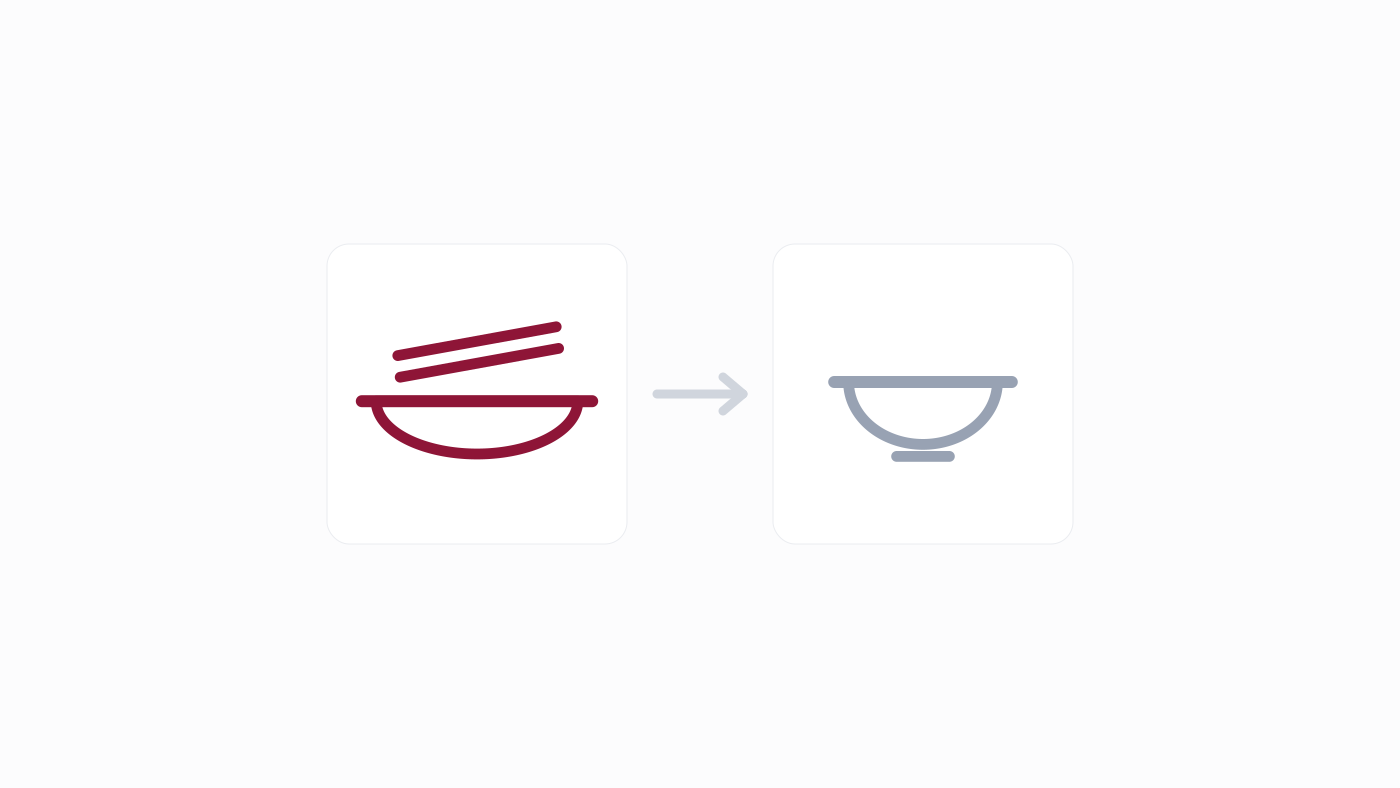
干杯 means dry cup, and the city government's etiquette guide takes it literally — sip instead of finishing and you may be asked whether you are raising fish in there. The other half of the answer is the hand: toast standing, hold the cup in both hands, and let your rim land lower than your host's.
干杯 is an instruction, not a greeting
The two characters mean dry and cup. The guide says that when 干杯 is said it is best to finish what is in your glass, and it records the line that comes back if you don't: 你在养鱼吗 — are you raising fish in there?
This is the part that does not survive translation. "Cheers" commits you to nothing. 干杯 names the outcome it wants, and the joke exists because people notice when the outcome does not arrive.
The lower rim is the message
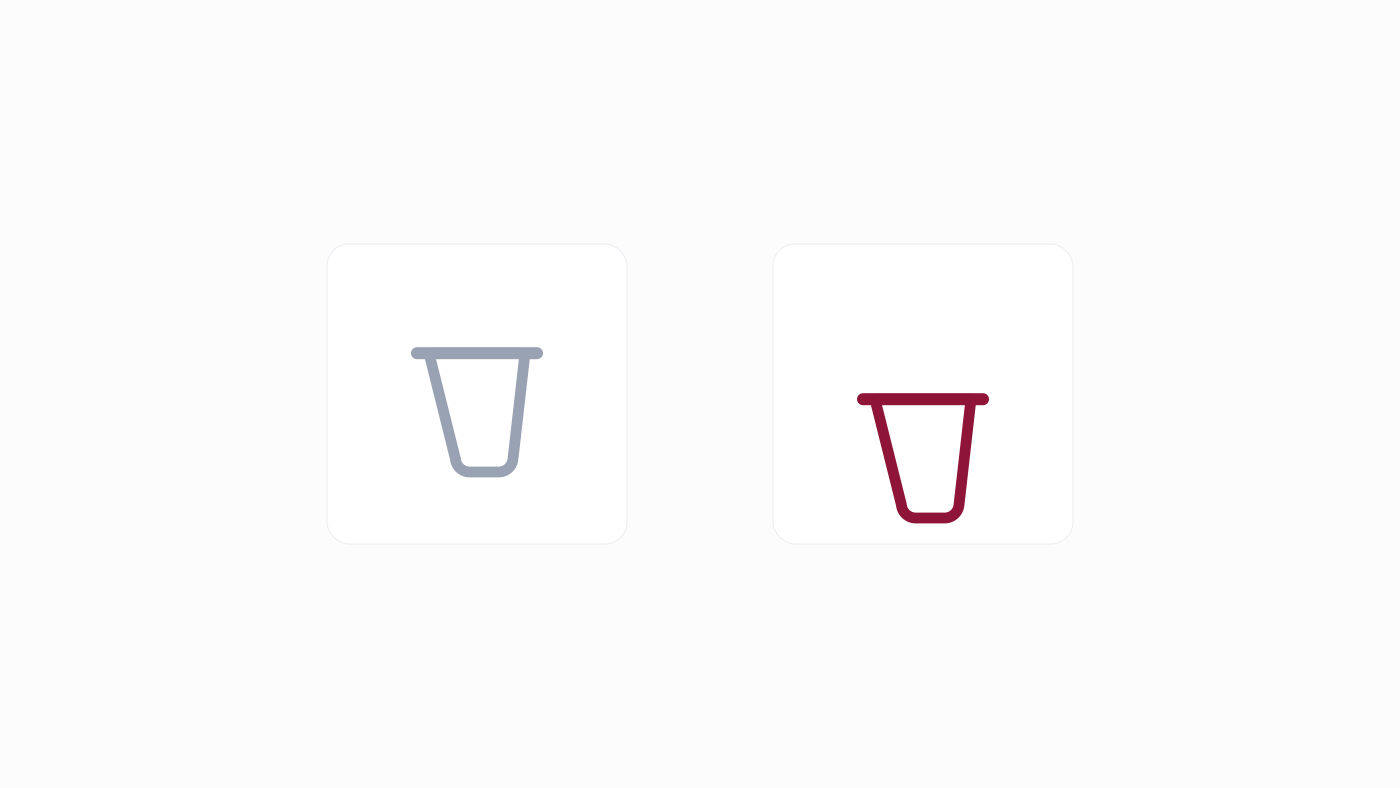
When you toast your host, the guide's instruction is to make sure your glass goes lower than theirs. Height is carrying the meaning a sentence would otherwise have to carry — the lower glass is the more deferential one.
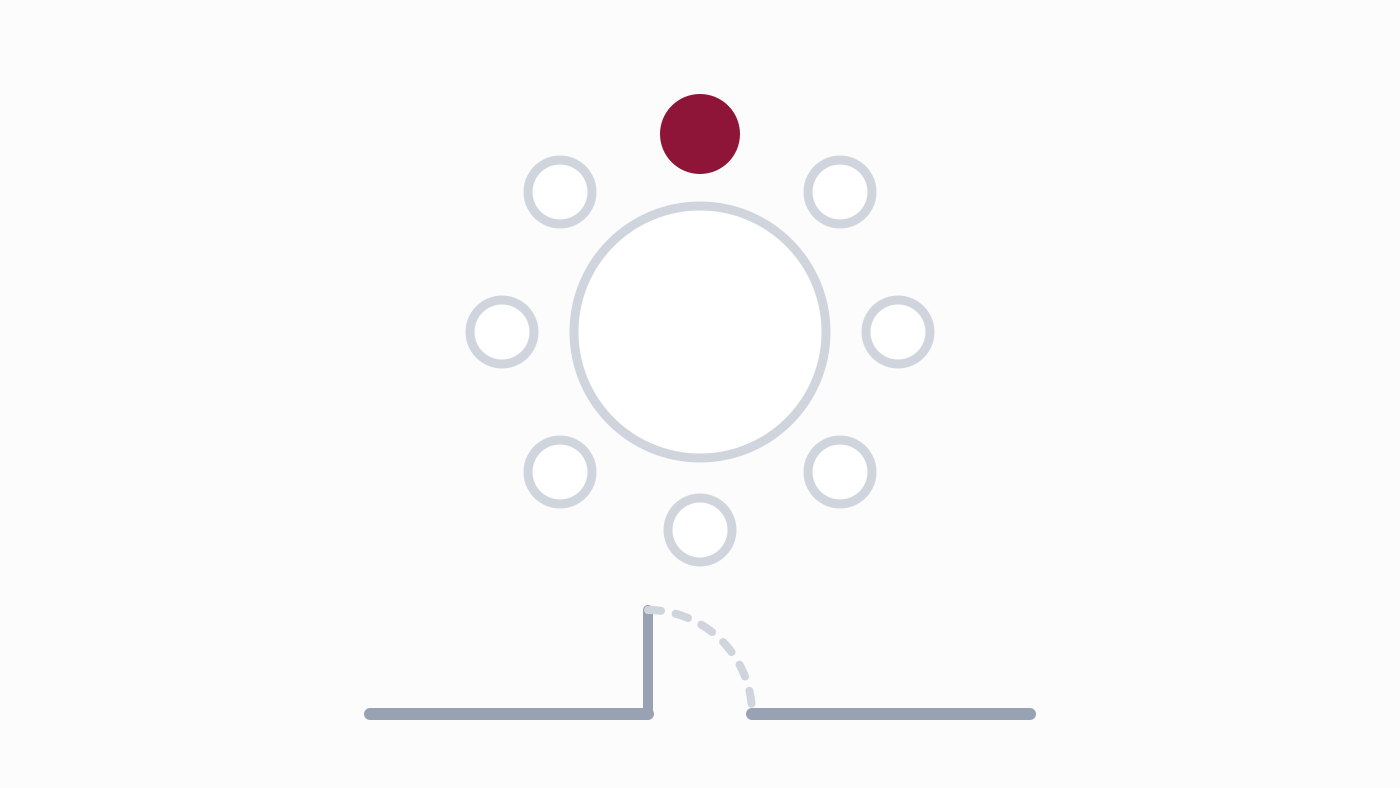
It is a small movement and it is seen. At a table where the seating already encodes who is senior to whom, the rim of a glass is simply another place that same order shows up.
Standing, and both hands
Two more things travel with the toast: deliver it standing, and hold the cup with both hands. Both are the same idea as the lower rim, expressed with a different part of the body.
None of the three is difficult. What makes them worth knowing in advance is that they happen quickly, in the first minute of a meal, and there is no moment to work them out by watching.
Good to know
- 干杯 (gān bēi) — literally "dry cup"
- Sip instead and you may be asked if you are raising fish
- Toast standing, with the cup in both hands
- Your rim goes lower than your host's